
mesaj bırakın
Ürünlerimizle ilgileniyorsanız ve daha fazla bilgi edinmek istiyorsanız, lütfen buraya bir mesaj bırakın, en kısa sürede size cevap vereceğiz.




Bu kış yaptığım en iyi alışveriş! Rengi ve örgüsü muhteşem, çok rahat! New York'tan Miami'ye kadar hiç çıkarmadan gittim. Çok şirin!!
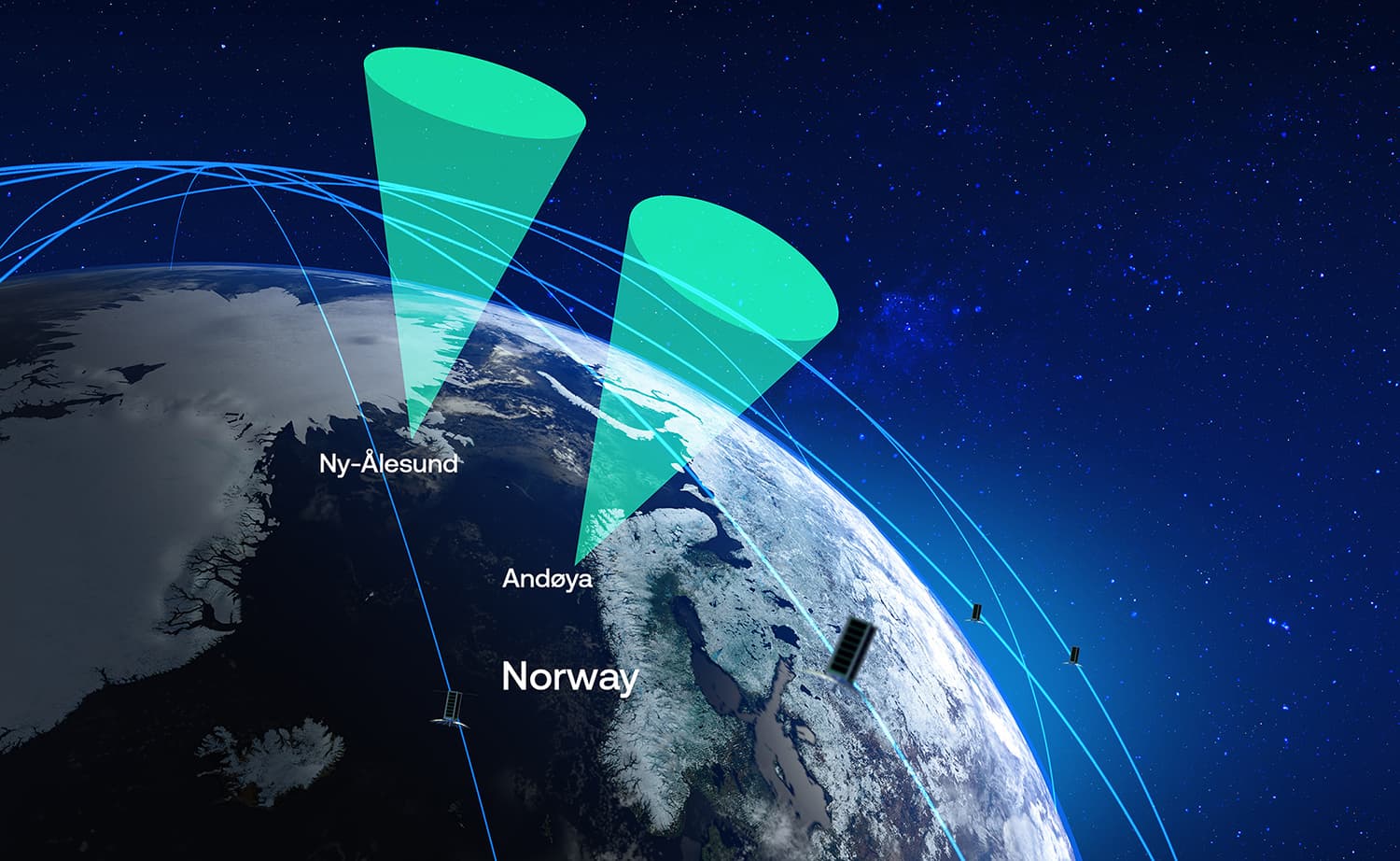
Yörünge Varlık Yönetim Sistemleri: RFID, Uyduların ve Uzay Ekipmanlarının Tüm Yaşam Döngüsü Takibini Sağlıyor
Ticari uzay faaliyetlerindeki hızlı ilerlemeyle birlikte, insanlık uzay varlıklarında patlayıcı bir büyüme çağına giriyor. İletişim ve Dünya gözlem uydularından uzay istasyonu modüllerine ve yörünge içi servis ekipmanlarına kadar, uzay tabanlı varlıkların sayısı katlanarak artıyor. Bu bağlamda, bu varlıkların etkin bir şekilde nasıl yönetileceği, havacılık ve uzay endüstrisi için kritik bir zorluk haline geldi. Manuel kayıtlara ve yer tabanlı veritabanlarına dayanan geleneksel yönetim yöntemleri, yörünge ortamlarının karmaşıklığını ele almak için artık yeterli değil. RFID (Radyo Frekans Tanımlama) teknolojisi, yeni nesil yörünge varlık yönetim sistemlerinin oluşturulmasında kilit bir unsur olarak ortaya çıkıyor.
Uzay ekipmanları yüksek değer, karmaşıklık ve uzun ömür döngüsü ile karakterize edilir. Bir uydunun yaşam döngüsü; tasarım ve üretimden test, fırlatma, işletme ve nihai olarak hizmet dışı bırakılmasına kadar on yıldan fazla sürebilir. Bu süreç boyunca, güneş panelleri, itme sistemleri ve iletişim modülleri gibi çok sayıda kritik bileşenin izlenmesi gerekir, çünkü her biri görev başarısında hayati bir rol oynar.
Ancak, mevcut varlık yönetimi yaklaşımları çeşitli zorluklarla karşı karşıyadır. Birincisi, tasarım, üretim ve operasyonel verilerin birbirinden bağımsız sistemlerde depolanması nedeniyle veri siloları yaygındır. İkincisi, izlenebilirlik sınırlıdır, bu da arızaların temel nedenini hızlı bir şekilde belirlemeyi zorlaştırır. Üçüncüsü, yörüngedeki varlıklar fiilen "görünmez"dir, çünkü geleneksel algılama ve tanımlama yöntemleri uzay ortamlarında gerçek zamanlı bilgiler sağlamakta zorlanmaktadır.
Bu zorluklar, tam yaşam döngüsü görünürlüğü ve gerçek zamanlı varlık farkındalığı sağlayabilen birleşik bir sisteme duyulan ihtiyacı vurgulamaktadır.
2. RFID: Uzay Varlıklarının “Dijital Kimliği”
RFID teknolojisi, radyo frekansı sinyallerini kullanarak temassız tanımlama olanağı sağlar ve lojistik, üretim ve perakende gibi sektörlerde yaygın olarak kullanılmaktadır. Havacılık ve uzay uygulamalarında, RFID etiketleri ayrı ayrı bileşenlere atanarak her bir varlığa benzersiz bir dijital kimlik kazandırabilir.
Üretim aşamasında, RFID etiketleri bileşenlere yerleştirilebilir veya takılabilir ve üretim partisi, malzeme özellikleri ve test sonuçları gibi önemli verileri depolayabilir. Ekipman montaj ve test aşamalarından geçerken, RFID okuyucular verileri otomatik olarak yakalayarak şeffaflığı ve otomasyonu artırır.
Fırlatma aşamasında, RFID sistemleri, gemideki tüm bileşenlerin hızlı envanter kontrolünü ve doğrulanmasını sağlayarak insan hatası riskini önemli ölçüde azaltır. Birden fazla etiketi aynı anda okuyabilme özelliği, yüzlerce bileşenin saniyeler içinde doğrulanmasına olanak tanır.
3. Yörünge Uygulamalarında RFID Yenilikleri
Geleneksel olarak yer tabanlı kullanımla ilişkilendirilen RFID teknolojisi, giderek uzay ortamlarına da uyarlanmaktadır. Radyasyona dayanıklı, yüksek sıcaklığa toleranslı RFID etiketleri ve yüksek hassasiyetli okuyucular kullanılarak, RFID sistemlerinin yörüngede konuşlandırılması mümkün hale gelmektedir.
Örneğin, uzay istasyonlarında veya büyük uzay araçlarında RFID, alet yönetimi ve yedek parça takibi için kullanılabilir. Astronotlar, el tipi okuyucular kullanarak ekipmanı hızlı bir şekilde bulup doğrulayabilir ve böylece operasyonel verimliliği büyük ölçüde artırabilirler.
Gelecekteki yörünge içi servis senaryolarında (örneğin uydu onarımı veya yakıt ikmali) RFID, arayüz tanımlama ve otomatik eşleştirmede de önemli bir rol oynayabilir. Servis yapan uzay araçları, hedef uydulardan RFID verilerini okuyarak bağlantı noktalarını ve prosedürleri belirleyebilir ve böylece daha yüksek otomasyon seviyelerine olanak sağlayabilir.
4. Dijital İkiz Teknolojisi ile Entegrasyon
Etkin varlık yönetimi yalnızca görünürlük değil, aynı zamanda zeka da gerektirir. Dijital ikiz teknolojisinin gelişmesiyle birlikte, uzay araçlarının sanal modelleri, Dünya üzerindeki gerçek zamanlı durumlarını yansıtabilir. RFID, fiziksel varlıkları dijital karşılıklarına bağlayan kritik bir veri giriş katmanı görevi görür.
RFID aracılığıyla toplanan veriler, dijital ikiz platformlarıyla senkronize edilerek bileşen durumunun sürekli olarak güncellenmesini sağlar. Örneğin, bir bileşen anormal sıcaklık koşullarıyla karşılaşırsa veya çalışma sınırlarına yaklaşırsa, sistem uyarılar tetikleyebilir ve sanal model içindeki riskleri vurgulayabilir.
Fiziksel ve dijital sistemlerin bu entegrasyonu, varlık yönetimini reaktif olmaktan öngörücüye dönüştürerek bakım planlaması ve görev karar alma süreçleri için güçlü bir destek sağlar.
5. RFID Tabanlı Yörünge Varlık Yönetim Sisteminin Temel Unsurları
Etkin bir RFID destekli sistem oluşturmak kapsamlı bir yaklaşım gerektirir:
Etiket ve Donanım Katmanı: Aşırı ortamlara, radyasyona, vakuma ve sıcaklık değişimlerine karşı dayanıklılık da dahil olmak üzere, özel olarak tasarlanmış RFID etiketlerinin ve yüksek performanslı okuyucuların kullanımı.
İletişim ve Veri Katmanı: Yörüngedeki verilerin yer istasyonlarına güvenilir bir şekilde iletilmesi, gerçek zamanlı senkronizasyon ve analiz için olanak sağlar.
Platform ve Uygulama Katmanı: Tasarım, üretim ve operasyonlardan elde edilen verilerin birleşik bir yaşam döngüsü yönetim platformunda entegrasyonu.
Güvenlik ve Standartlar: Sistem güvenilirliği ve veri güvenliğini sağlamak için güçlü şifreleme ve sektör standartlarının uygulanması.
6. Geleceğe Bakış: Bireysel Varlıklardan Uzay Ağlarına
Büyük ölçekli alçak Dünya yörüngesi (LEO) uydu takımyıldızları genişlemeye devam ettikçe, uzay varlıkları izole birimlerden birbirine bağlı ağlara dönüşecektir. Bu gelecekteki ortamda, RFID yalnızca bir tanımlama aracı olarak değil, aynı zamanda daha geniş bir uzay tabanlı Nesnelerin İnterneti'nin temel bir unsuru olarak da hizmet edecektir.
Geleceğe baktığımızda, her uydu ve modülün tanımlanabilir, iletişim kurabilir ve birlikte çalışabilir hale gelmesi mümkün. RFID ve IoT teknolojilerinin birleşimi, yörünge varlık yönetimini daha fazla zeka ve özerkliğe doğru yönlendiren bir "Uzay IoT"sinin geliştirilmesini sağlayacaktır.
Çözüm
Yer tabanlı üretim tesislerinden uzayın enginliğine kadar, RFID teknolojisi havacılık ve uzay varlıklarına izlenebilirlik, görünürlük ve yönetilebilirlik kazandırıyor. Geleneksel sistemlerin temel sınırlamalarını giderirken, geleceğin uzay ekonomileri için de zemin hazırlıyor. Teknoloji gelişmeye devam ettikçe, RFID özellikli yörünge varlık yönetim sistemleri, uzay görevlerinin başarısını ve sürdürülebilirliğini sağlamak için vazgeçilmez bir altyapı haline gelecektir.

Detaylı bilgi ve PDF

Destek e-posta adresi.

Profesyonel teknik rehberlik.

Destek e-posta adresi.



BAĞLANTI

YouTube

mesaj bırakın
WeChat/WhatsApp'a tarayın :



 IPv6 AĞ DESTEKLİ