
mesaj bırakın
Ürünlerimizle ilgileniyorsanız ve daha fazla bilgi edinmek istiyorsanız, lütfen buraya bir mesaj bırakın, en kısa sürede size cevap vereceğiz.




Bu kış yaptığım en iyi alışveriş! Rengi ve örgüsü muhteşem, çok rahat! New York'tan Miami'ye kadar hiç çıkarmadan gittim. Çok şirin!!
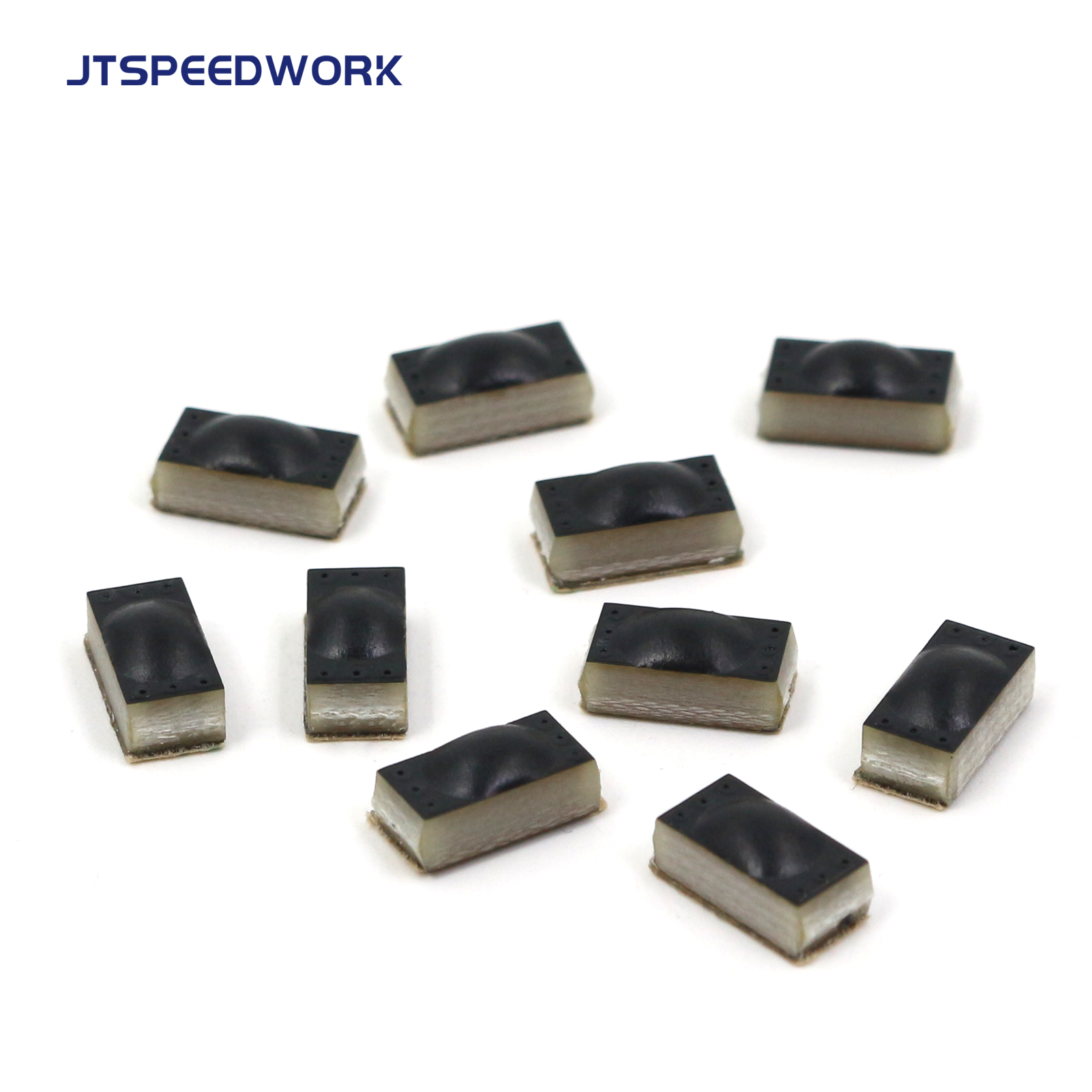 Metal Yüzeyler İçin RFID Etiketi Nedir? Metal Yüzeyler İçin RFID Etiketlerine Dair Kapsamlı Bir Kılavuz
Radyo Frekansı Tanımlama (RFID), varlık takibi, envanter yönetimi, endüstriyel otomasyon, lojistik ve tedarik zinciri görünürlüğü için önemli bir teknoloji haline gelmiştir. Bununla birlikte, standart RFID etiketleri doğrudan metal nesnelere takıldığında her zaman iyi performans göstermez. Metal, radyo frekansı sinyallerine müdahale edebilir, okuma mesafesini azaltabilir ve hatta bir RFID etiketinin algılanmasını engelleyebilir. İşte bu noktada metal karşıtı RFID etiketleri önem kazanmaktadır.
Peki, bir nedir? metal karşıtı RFID etiketiMetal yüzeylere takılabilen RFID etiketleri, metal yüzeylere takıldığında etkili bir şekilde çalışabilen özel olarak tasarlanmış RFID etiketleridir. Sıradan RFID etiketlerinden farklı olarak, metal yüzeylere takılabilen RFID etiketleri, metalin neden olduğu olumsuz etkileri azaltmak için özel malzemeler ve anten yapıları kullanır. Bu etiketler, aletlerin, makinelerin, BT ekipmanlarının, endüstriyel varlıkların, metal kapların, araçların ve metal yüzeyli diğer birçok nesnenin takibinde yaygın olarak kullanılır.
Metal karşıtı RFID etiketlerinin nasıl çalıştığını anlamak, işletmelerin zorlu endüstriyel ve varlık takip ortamları için doğru RFID çözümünü seçmelerine yardımcı olabilir.
Metal karşıtı RFID etiketi, özellikle metal nesnelere takılmak üzere tasarlanmış bir RFID transponderidir. Tipik bir RFID etiketi, bir RFID çipi ve bir anten içerir. Bir RFID okuyucu radyo frekansı sinyali gönderdiğinde, anten enerjiyi alır ve çipin depolanmış bilgileri okuyucuya geri iletmesini sağlar.
Sorun şu ki, metal radyo dalgalarının davranışını değiştirebilir. Standart bir RFID etiketi doğrudan metal bir yüzeye yerleştirildiğinde, antenin ayarı bozulabilir. Sonuç olarak, etiketin okuma mesafesi çok kısa olabilir veya hiç çalışmayabilir.
Metal karşıtı RFID etiketi, RFID anteni ile metal yüzey arasında kontrollü bir ayrım oluşturarak bu sorunu çözer. Bu genellikle özel yalıtım malzemeleri, ferrit katmanları, köpük ara parçaları, seramik malzemeler veya özel olarak tasarlanmış anten yapıları kullanılarak sağlanır. Bu malzemeler elektromanyetik girişimi yönetmeye yardımcı olur ve RFID etiketinin bir RFID okuyucu ile güvenilir bir şekilde iletişim kurmasını sağlar.
Bu tasarım sayesinde, metal karşıtı RFID etiketleri, çelik, alüminyum, demir ve diğer metalik malzemelere doğrudan monte edildiklerinde bile istikrarlı performans sağlayabilirler.
Metal yüzeylerde sorun yaşayan standart RFID etiketlerinin neden zorlandığını anlamak için, metal yüzeylerde kullanılabilen antimetal RFID etiketlerinin değerini kavramak faydalı olacaktır.
RFID sistemleri iletişim için radyo dalgalarına dayanır. Radyo frekansı enerjisi metal bir yüzeye ulaştığında, metal yansıma yapar ve elektromanyetik alanı değiştirir. Bu durum, RFID etiketinin içindeki antenle etkileşime girebilir.
Bölgeye bağlı olarak genellikle 860 MHz ile 960 MHz frekans aralığında çalışan UHF RFID etiketleri için bu etki özellikle önemli olabilir. Standart bir UHF RFID etiketi Karton, plastik veya kağıt için tasarlanmış olan yazıcılar, doğrudan metal bir yüzeye yerleştirildiğinde okuma performansının büyük bir kısmını kaybedebilir.
Bazı durumlarda etiket hâlâ okunabilir olabilir, ancak okuma mesafesi birkaç metreden sadece birkaç santimetreye kadar düşebilir. Diğer durumlarda ise etiket tamamen okunamaz hale gelebilir.
Metal karşıtı RFID etiketleri, bu sorunun üstesinden gelmek için özel olarak tasarlanmıştır. Yapıları, etiket metal bir nesneye takıldığında bile doğru anten performansının korunmasına yardımcı olur.
Metal karşıtı RFID etiketinin temel çalışma prensibi, standart bir RFID etiketine benzer. Etiket, benzersiz bir tanımlama numarası saklar ve çipe bağlı olarak ek kullanıcı belleği de içerebilir.
RFID okuyucu, anteni aracılığıyla bir radyo sinyali gönderir. Metal karşıtı RFID etiketi sinyali alır ve depoladığı verilerle yanıt verir. RFID sistemi daha sonra bu bilgiyi RFID yazılımına, varlık yönetim sistemine, depo yönetim sistemine, kurumsal kaynak planlama platformuna veya başka bir iş uygulamasına gönderir.
Temel fark, etiketin fiziksel ve elektromanyetik tasarımında yatmaktadır.
Metalden koruma sağlayan RFID etiketleri genellikle RFID anteni ile metal yüzey arasında koruyucu bir katman veya özel bir malzeme içerir. Bu katman, metalin anteni bozmasını önlemeye yardımcı olur. Bazı tasarımlar ise performansı artırmak için metal yüzeyi anten sisteminin bir parçası olarak kullanır.
Ürün tasarımına bağlı olarak, metal içermeyen RFID etiketleri birkaç santimetreden on metreden fazla mesafeye kadar okuma mesafesi sağlayabilir.
Son okuma mesafesi, etiket boyutu, anten tasarımı, RFID çipi, okuyucu gücü, okuyucu anteni, kurulum yöntemi, çalışma ortamı ve metal nesnenin boyutu ve şekli de dahil olmak üzere çeşitli faktörlere bağlıdır.
Farklı uygulamalar için birçok farklı türde metal karşıtı RFID etiketi mevcuttur.
Yaygın türlerden biri de sert metal karşıtı RFID etiketleridir. Bu etiketler genellikle ABS, PCB, seramik veya diğer endüstriyel sınıf malzemeler gibi dayanıklı malzemelerden üretilir. Uzun süreli varlık takibi için tasarlanmışlardır ve genellikle titreşime, darbeye, neme, toza ve sıcaklık değişimlerine dayanıklıdırlar.
Bir diğer tür ise esnek metal karşıtı RFID etiketleridir. Bu etiketler, sert etiketlere göre daha ince ve daha esnektir. Yapışkan bir arka yüzeye sahip olabilirler, bu da dizüstü bilgisayarlara, sunuculara, metal kaplara ve diğer ekipmanlara doğrudan yapıştırılmalarını sağlar.
PCB metal karşıtı RFID etiketleri endüstriyel ortamlarda yaygın olarak kullanılmaktadır. PCB malzemeleri yüksek dayanıklılık ve mükemmel RFID performansı sağlar. Bu etiketler genellikle aletlerin, kalıpların, makinelerin ve üretim ekipmanlarının takibi için kullanılır.
Seramik metal karşıtı RFID etiketleri genellikle daha küçüktür ve kurulum alanının sınırlı olduğu uygulamalar için uygun olabilir. Bazı seramik RFID etiketleri Yüksek sıcaklık veya özel endüstriyel uygulamalar için tasarlanmıştır.
Otomotiv üretimi, boyama işlemleri ve ısıl işlem gibi imalat ortamları için yüksek sıcaklığa dayanıklı metal karşıtı RFID etiketleri de mevcuttur.
Son derece küçük etiketler gerektiren uygulamalar için, minyatür metal karşıtı RFID etiketleri aletlere, bileşenlere veya ekipmanlara yerleştirilebilir.
Doğru türün seçimi, varlığın boyutuna, gerekli okuma mesafesine, çevresel koşullara, montaj yöntemine ve mevcut kurulum alanına bağlıdır.
Metal karşıtı RFID etiketleri, imalat, inşaat, sağlık, ulaşım, enerji ve bilgi teknolojisi gibi birçok sektörde metal varlıkların yaygın olması nedeniyle kullanılmaktadır.
En yaygın uygulamalardan biri varlık takibidir. Şirketlerin binlerce bilgisayarı, sunucusu, makinesi, aleti ve diğer değerli varlığı olabilir. Her bir varlığa metal karşıtı RFID etiketi takarak, işletmeler ekipmanları daha verimli bir şekilde tanımlayabilir ve takip edebilir.
Alet takibi de önemli bir uygulama alanıdır. Fabrikalar, havacılık şirketleri, otomotiv üreticileri ve bakım kuruluşları genellikle çok sayıda metal aleti yönetmek zorundadır. RFID teknolojisi, hangi aletlerin mevcut olduğunu, nerede bulunduklarını ve iade edilip edilmediklerini belirlemeye yardımcı olabilir.
Metal içermeyen RFID etiketleri, BT varlık yönetimi için de yaygın olarak kullanılmaktadır. Dizüstü bilgisayarlar, sunucular, ağ ekipmanları, depolama aygıtları ve diğer elektronik varlıklar genellikle metal kasalar içerir. Standart RFID etiketleri bu yüzeylerde düşük performans gösterebilirken, metal içermeyen RFID etiketleri daha güvenilir tanımlama sağlayabilir.
Üretimde, metal karşıtı RFID etiketleri kalıplara, fikstürlere, makinelere, üretim taşıyıcılarına ve işleme aşamasındaki kaplara takılabilir. RFID okuyucular, bu öğeleri farklı üretim aşamalarından geçerken otomatik olarak tanımlayabilir.
Lojistik sektörü ayrıca metal paletlerin, kafeslerin, yeniden kullanılabilir taşıma malzemelerinin, varillerin, konteynerlerin ve endüstriyel ambalajların takibi için metal karşıtı RFID etiketleri kullanmaktadır.
Diğer uygulama alanları arasında araç takibi, petrol ve doğalgaz ekipman yönetimi, inşaat ekipman takibi, tıbbi cihaz tanımlama, depo varlık yönetimi ve bakım operasyonları yer almaktadır.
Metal yüzeylere karşı dayanıklı RFID etiketinin en büyük avantajı, metal yüzeylerde güvenilir performans göstermesidir. Özel bir etiket olmadan, metal nesnelerin RFID teknolojisi kullanılarak izlenmesi zor olabilir.
Metal karşıtı RFID etiketleri ayrıca otomatik ve temassız tanımlamayı da destekler. Barkodların aksine, RFID etiketleri her zaman doğrudan görüş hattı taraması gerektirmez. Sistem tasarımına bağlı olarak, birden fazla RFID etiketi kısa bir süre içinde okunabilir.
Bir diğer avantaj ise varlık görünürlüğünün artmasıdır. İşletmeler, RFID teknolojisini kullanarak hangi varlıklara sahip olduklarını, nerede bulunduklarını ve nasıl kullanıldıklarını öğrenebilirler.
Metal içermeyen RFID etiketleri, manuel iş gücünü de azaltabilir. Çalışanlar, ekipman sayımı, seri numaralarının kaydedilmesi veya kayıp aletlerin aranması gibi işlemler için önemli miktarda zaman harcayabilirler. RFID sistemleri, bu süreçlerin çoğunu otomatikleştirebilir.
Dayanıklılık da önemli bir avantajdır. Endüstriyel metal karşıtı RFID etiketleri, suya, toza, kimyasallara, titreşime, darbeye ve aşırı sıcaklıklara dayanacak şekilde tasarlanabilir.
RFID etiketleri ayrıca benzersiz tanımlama verileri de içerebilir; bu da tekrarlamayı ve tanımlama hatalarını azaltmaya yardımcı olur.
Yüksek değerli metal varlıkları yöneten şirketler için bu avantajlar, operasyonel verimliliği artırabilir ve kayıpları azaltabilir.
En önemli fark, montaj yapılacak yüzeydir.
Standart bir RFID etiketi genellikle karton, plastik, cam, kağıt veya ahşap gibi metal olmayan malzemeler için tasarlanmıştır. Doğrudan metal üzerine yerleştirildiğinde, anten performansı olumsuz etkilenebilir.
Metal karşıtı RFID etiketi, özellikle metal üzerinde çalışmak üzere tasarlanmıştır.
Dolayısıyla iç yapısı farklıdır. Metal karşıtı RFID etiketleri, özel koruyucu malzemeler, ara parçalar, ferrit katmanları, seramik yapılar veya optimize edilmiş antenler içerebilir.
Metal yüzeylere temas etmeyen RFID etiketleri, anten ile metal yüzey arasına ek malzeme gerektiğinden standart RFID etiketlerinden daha kalın olabilir. Bununla birlikte, modern esnek metal yüzey RFID etiketleri nispeten ince olabilir.
Bir diğer fark ise maliyettir. Metal karşıtı RFID etiketleri, özel tasarımları ve malzemeleri nedeniyle genellikle temel RFID etiketlerinden daha pahalıdır. Bununla birlikte, metal varlık takibi uygulamaları için standart bir RFID etiketi kabul edilebilir bir performans sağlamayabilir; bu da metal karşıtı RFID etiketini daha pratik bir seçim haline getirir.
Metal içermeyen RFID etiketlerinin okuma mesafesi önemli ölçüde değişiklik gösterir.
Küçük metal karşıtı etiketlerin okuma menzili yalnızca birkaç santimetre veya bir metreden az olabilir. Daha büyük UHF metal karşıtı RFID etiketleri birkaç metre uzaktan okunabilir. Bazı uzun menzilli tasarımlar, uygun koşullar altında on metreden fazla okuma mesafesine ulaşabilir.
Ancak, ürün özelliklerinde belirtilen maksimum okuma mesafesi, her ortamda garanti edilen bir mesafe olarak kabul edilmemelidir.
RFID performansının gerçek boyutu, RFID okuyucuya, anten kazancına, iletim gücüne, etiket yönüne, çevredeki malzemelere, kurulum konumuna, çevresel parazitlere ve yerel RFID düzenlemelerine bağlıdır.
Bu nedenle, işletmeler geniş çaplı bir dağıtımdan önce RFID etiketlerini her zaman gerçek nesneler üzerinde ve gerçek çalışma ortamında test etmelidir.
Doğru metal karşıtı RFID etiketini seçmek, etiketin metal üzerinde çalışıp çalışamayacağını kontrol etmekten daha fazlasını gerektirir.
İlk faktör, gerekli okuma mesafesidir. Bir depo uygulaması birkaç metrelik okuma menzili gerektirebilirken, alet tanımlama yalnızca kısa menzilli tarama gerektirebilir.
İkinci faktör ise etiket boyutudur. Daha büyük etiketler genellikle daha iyi okuma performansı sağlar, ancak küçük boyutlu dosyalara sığmayabilirler.
Montaj yöntemi de dikkate alınmalıdır. Bazı metal karşıtı RFID etiketleri endüstriyel yapıştırıcı kullanırken, diğerleri vida, perçin, kablo bağı veya gömme montaj yöntemleriyle takılabilir.
Çevresel koşullar da aynı derecede önemlidir. Dış mekan uygulamaları su geçirmez ve UV ışınlarına dayanıklı etiketler gerektirebilir. Endüstriyel uygulamalar ise kimyasallara, yağa, titreşime veya yüksek sıcaklıklara karşı dayanıklılık gerektirebilir.
RFID frekans türü de uygulama ile uyumlu olmalıdır. UHF RFID genellikle uzun menzilli varlık takibi için kullanılırken, HF ve NFC teknolojileri daha kısa menzilli tanımlama ve akıllı telefon etkileşimi için kullanılabilir.
İşletmeler ayrıca bellek kapasitesini, çip türünü, kodlama gereksinimlerini, baskı gereksinimlerini ve mevcut RFID okuyucularıyla uyumluluğu da göz önünde bulundurmalıdır.
Test etme, en önemli adımlardan biridir. Aynı RFID etiketi, farklı metal nesneler üzerinde farklı performans gösterebilir. Büyük bir çelik dolapta iyi çalışan bir etiket, küçük bir alüminyum alette farklı davranabilir.
Bazı metal karşıtı RFID etiketleri metal olmayan yüzeylerde de çalışabilir, ancak performans farklılık gösterebilir.
Bazı etiketler özellikle metal yüzeyler için optimize edilmiştir ve plastik, ahşap veya karton üzerine yerleştirildiğinde okuma performansı düşebilir. Diğer evrensel RFID etiketleri ise hem metal hem de metal olmayan yüzeylerde çalışacak şekilde tasarlanmıştır.
Aynı RFID etiketinin farklı varlık türlerinde kullanılması gerekiyorsa, çift yüzeyli veya evrensel bir RFID etiketi daha iyi bir seçim olabilir.
Tekrar belirtmek gerekirse, dağıtımdan önce test yapılması önerilir.
Metal içermeyen RFID etiketlerinin çoğu, zorlu endüstriyel ortamlar için tasarlanmıştır.
Modele bağlı olarak, su, toz, titreşim, kimyasallar, basınç ve sıcaklık değişimlerine karşı koruma sağlayabilirler. Bazı etiketlerde IP67, IP68 veya benzeri çevresel koruma derecelendirmeleri bulunur.
Yüksek sıcaklığa dayanıklı metal içermeyen RFID etiketleri, boyama, sterilizasyon, otomotiv üretimi veya standart RFID etiketlerinin zarar göreceği diğer ortamlarda kullanılabilir.
Ancak, her metal karşıtı RFID etiketi aşırı koşullar için tasarlanmamıştır. BT varlık takibi için kullanılan esnek yapışkanlı bir etiket, ağır makinelere monte edilen sağlam bir RFID etiketinden farklı dayanıklılık gereksinimlerine sahiptir.
Bu nedenle, etiket seçimi yapılmadan önce çevresel gereksinimler açıkça tanımlanmalıdır.
Metal karşıtı RFID etiketi, eksiksiz bir RFID varlık takip sisteminin yalnızca bir parçasıdır.
Tipik bir sistem RFID etiketleri, RFID okuyucuları, okuyucu antenleri, yazılım ve bir veritabanı veya iş platformu içerir.
Her bir varlığa benzersiz bir RFID etiketi atanır. RFID etiket kimliği, varlık adı, seri numarası, konum, departman, bakım geçmişi veya sorumlu çalışan gibi bilgilerle ilişkilendirilir.
RFID okuyucuları daha sonra envanter kontrolleri, hareket, giriş-çıkış, bakım veya diğer iş süreçleri sırasında etiket bilgilerini yakalar.
Yazılım bu verileri işler ve varlıkların durumu ve konumu hakkında bilgi sağlar.
Fabrikalar, veri merkezleri, depolar, laboratuvarlar ve bakım tesisleri gibi metalin yoğun olarak bulunduğu ortamlarda, doğru metal karşıtı RFID etiketinin kullanılması tüm sistemin güvenilirliği açısından kritik öneme sahiptir.
Peki, metal karşıtı RFID etiketi nedir? Metal yüzeylere takıldığında güvenilir radyo frekansı tanımlama performansı sağlamak üzere tasarlanmış özel bir RFID etiketidir.
Metal, standart RFID etiketlerinde kullanılan antenlerle etkileşime girebileceğinden, metal karşıtı RFID etiketleri, istikrarlı iletişimi sağlamak için özel malzemeler ve anten tasarımları kullanır. Bu etiketler, aletlerin, makinelerin, bilişim ekipmanlarının, araçların, metal kapların, endüstriyel varlıkların ve diğer metal nesnelerin takibinde yaygın olarak kullanılır.
Doğru metal karşıtı RFID etiketi, işletmelerin varlık görünürlüğünü artırmasına, envanter süreçlerini otomatikleştirmesine, manuel iş gücünü azaltmasına ve daha verimli takip sistemleri kurmasına yardımcı olabilir.
Ancak, her uygulama için uygun tek bir RFID etiketi bulunmamaktadır. Bir çözüm seçmeden önce etiket boyutu, okuma mesafesi, montaj yöntemi, çalışma ortamı, frekans ve varlık malzemesi gibi faktörler dikkate alınmalıdır.
RFID projesi planlayan işletmeler için, farklı metal karşıtı RFID etiketlerini gerçek varlıklar üzerinde test etmek, güvenilir performans sağlamanın en iyi yollarından biridir. Doğru etiket ve sistem tasarımıyla, RFID teknolojisi imalat, lojistik, bilişim, sağlık, inşaat ve diğer birçok sektörde metal varlıkların takibi için verimli ve ölçeklenebilir bir çözüm sağlayabilir.

Detaylı bilgi ve PDF

Destek e-posta adresi.

Profesyonel teknik rehberlik.

Destek e-posta adresi.



BAĞLANTI

YouTube

mesaj bırakın
WeChat/WhatsApp'a tarayın :



 IPv6 AĞ DESTEKLİ