
mesaj bırakın
Ürünlerimizle ilgileniyorsanız ve daha fazla bilgi edinmek istiyorsanız, lütfen buraya bir mesaj bırakın, en kısa sürede size cevap vereceğiz.



Bir Daha Asla İzlerinizi Kaybetmeyin: RFID, Hastane Varlıklarının Görünürlüğünü ve Kontrolünü Dönüştürüyor
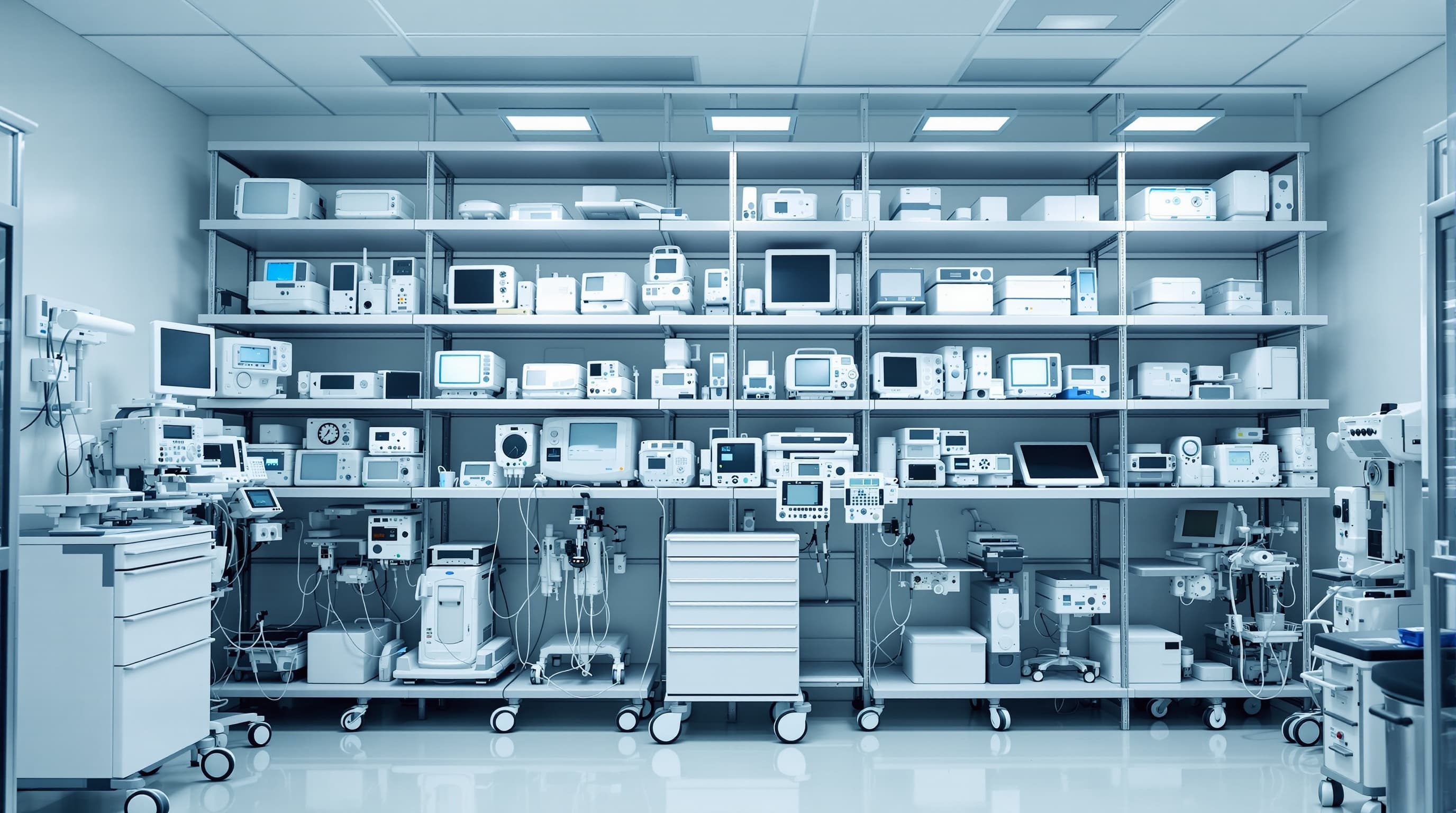
Başlık: Hastane Ekipmanını Bulamıyor musunuz? RFID, Tıbbi Varlıkların Gerçek Zamanlı Takibini ve Hızlı Envanterini Sağlıyor
Modern hastanelerde tıbbi ekipman yönetimi her zaman “görünmez ancak kritik” bir görev olmuştur. Hasta monitörlerinden ve infüzyon pompalarından taşınabilir ultrason cihazlarına kadar bu varlıklar sıklıkla bölümler arasında hareket eder. Ekipman bulunamadığında, bu durum yalnızca sağlık personelinin verimliliğini düşürmekle kalmaz, aynı zamanda hasta tedavisini geciktirebilir ve hatta güvenlik riskleri oluşturabilir. Bu bağlamda, RFID (Radyo Frekans Tanımlama) teknolojisi, tıbbi varlık yönetimini iyileştirmek için önemli bir çözüm olarak ortaya çıkmaktadır.
Birçok hastane, ekipman yönetimi için hala manuel kayıtlara veya barkod taramasına güvenmektedir; bu da belirgin sınırlamalar getirmektedir. Birincisi, ekipman konumu manuel güncellemelere bağlıdır ve genellikle güncel değildir. İkincisi, envanter kontrolleri zaman alıcı ve emek yoğundur, çoğu zaman doğrulama için operasyonların durdurulmasını gerektirir. Üçüncüsü, ekipman durumuna (kullanımda, boşta, bakımda) ilişkin gerçek zamanlı görünürlük eksikliği vardır.
Örneğin, bir infüzyon pompası yoğun bakım ünitesinden genel servise yeni transfer edilmiş olabilir, ancak sistem hala önceki konumunu gösterir. Acil durumlarda, sağlık personeli ekipman aramak için değerli zaman harcayabilir, bu da stresi artırır ve müdahale verimliliğini düşürür. Hastaneler büyüdükçe ve varlık sayısı arttıkça, geleneksel yönetim yöntemleri gelişmiş operasyonları desteklemekte zorlanmaktadır.
2. RFID Teknolojisi: Tıbbi Cihazlara "Ses" Kazandırmak
RFID teknolojisi, RFID etiketleri aracılığıyla her bir ekipmana benzersiz bir elektronik kimlik atar. Sistem, etiketler, okuyucular, antenler ve bir arka uç yönetim platformundan oluşur. Barkodlara kıyasla RFID, temassız okuma, toplu tarama ve uzun menzilli tanımlama gibi avantajlar sunar.
Hastane ortamlarında, RFID etiketleri ekipmanlara takılabilir veya yerleştirilebilirken, okuyucular koridorlar, asansörler ve koğuş girişleri gibi önemli noktalara yerleştirilir. Ekipman bu alanlardan geçerken, sistem konum değişikliklerini otomatik olarak kaydeder ve dinamik izleme olanağı sağlar.
Ayrıca, UWB veya Wi-Fi gibi konumlandırma teknolojilerinin entegrasyonuyla RFID sistemleri gerçek zamanlı konum takibi sağlayabilir. Sağlık personeli, sistemde bir cihazı arayarak anında bulunduğu katı, departmanı veya hatta belirli bir odayı görüntüleyebilir.
3. Gerçek Zamanlı Takip: “Ekipman Arayan İnsanlardan” “Ekipman Bulan Sistemlere”
RFID'nin getirdiği en önemli dönüşümlerden biri, ekipmanların nasıl bulunduğundaki değişimdir. Artık personel cihazları aramak yerine, sistem aramayı kendisi yapıyor.
Acil durumlarda, örneğin kalp monitörüne acilen ihtiyaç duyulduğunda, hemşireler sistem aracılığıyla en yakın müsait cihazı hızlıca bulabilir ve onu almak için en uygun rotayı seçebilirler. Bu, müdahale süresini önemli ölçüde azaltır ve genel verimliliği artırır.
Ayrıca, kullanım verilerini entegre ederek sistem, akıllı kaynak tahsisini mümkün kılabilir. Örneğin, bir departmanın ekipman kullanım oranı yüksekse, sistem kaynak dağıtımını optimize etmek için az kullanılan departmanlardan varlıkların aktarılmasını önerebilir.
4. Hızlı Envanter: Saatlerden Dakikalara
Geleneksel envanter kontrolleri, yoğun insan gücü ve zaman gerektirir ve genellikle saatler hatta günler sürer. RFID, toplu okuma olanağı sağlayarak personelin el tipi okuyucular kullanarak envanter kontrollerini dakikalar içinde tamamlamasına olanak tanır.
Sistem, varlık sayımı, konum farklılıkları ve anormal durumlar da dahil olmak üzere envanter raporlarını otomatik olarak oluşturarak insan hatasını büyük ölçüde azaltır. Geçmiş veriler ayrıca varlık hareket modellerini analiz etmek ve yönetim kararlarını desteklemek için de kullanılabilir.
Bu verimli envanter yaklaşımı, yalnızca işçilik maliyetlerinden tasarruf sağlamakla kalmaz, aynı zamanda hastanelerin daha sık denetim yapmasına olanak tanıyarak yönetim doğruluğunu artırır.
5. Tam Yaşam Döngüsü Yönetimi: Tedarikten İmhaya Kadar Dijital Kapalı Döngü
RFID, ekipmanın "nerede" olduğunu takip etmekten daha fazlasını yapar; tam yaşam döngüsü yönetimini destekler. Bir cihaz sisteme girdiği andan itibaren benzersiz bir kimlik atanır ve ilgili tüm veriler (tedarik detayları, kullanım geçmişi, bakım kayıtları ve servis programları) kaydedilir.
Örneğin, sistem bakım zamanı geldiğinde personeli otomatik olarak uyarabilir veya sık onarım gerektiren ekipmanları potansiyel değişim için işaretleyebilir. Bu veri odaklı yönetim yaklaşımı, ekipman ömrünü uzatmaya ve işletme maliyetlerini düşürmeye yardımcı olur.
Ekipman kullanım dışı bırakıldığında veya devredildiğinde, sistem durumunu gerçek zamanlı olarak günceller ve böylece fiziksel varlıklar ile kayıtlar arasındaki tutarsızlıkların önüne geçer.
6. Güvenlik ve Uyumluluk: Riskleri Azaltmak ve Şeffaflığı Artırmak
Sağlık sektöründe ekipman yönetimi sadece verimlilikle ilgili değil, aynı zamanda güvenlik ve uyumlulukla da ilgilidir. RFID sistemleri, ekipman kullanım geçmişini kaydederek kritik varlıkların tam izlenebilirliğini sağlar.
Örneğin, enfeksiyon kontrolü senaryolarında, hastaneler bir cihazın uygun sterilizasyon işlemlerinden geçip geçmediğini takip edebilir. Denetimler sırasında, düzenleyici gereklilikleri karşılamak için ayrıntılı kullanım kayıtları kolayca elde edilebilir.
Ayrıca, erişim kontrol özellikleri, ekipmanın yetkisiz olarak çıkarılmasını önleyebilir. Bir cihaz yetkisiz olarak belirlenmiş bir alandan ayrılırsa, sistem gerçek zamanlı uyarılar tetikleyebilir.
7. Uygulama Zorlukları ve Pratik Öneriler
Avantajlarına rağmen, hastanelerde RFID kullanımının planlanması özen gerektirir. İlk olarak, etiket seçimi tıbbi ortamları (örneğin, su geçirmez, dezenfektanlara dayanıklı) dikkate almalıdır. İkinci olarak, kör noktaları önlemek için okuyucu yerleşimi optimize edilmelidir. Üçüncü olarak, veri birlikte çalışabilirliğini sağlamak için sistem hastane bilgi sistemleriyle (HIS, ERP) entegre olmalıdır.
Pratik bir uygulama stratejisi, yüksek değerli ve yüksek hareketlilik özelliğine sahip ekipmanlarla başlamak ve ardından kapsamı kademeli olarak genişletmektir. Hastane genelinde yaygınlaştırmadan önce, seçilen departmanlarda pilot projeler etkinliği doğrulayabilir.
Sonuç: Görünmezden Tamamen Görünür Hale
Tıbbi varlık yönetiminin özü, her bir ekipmanın görünür, kontrol edilebilir ve izlenebilir olmasını sağlamaktır. RFID teknolojisi bu dönüşümün en önemli kolaylaştırıcı unsurudur. Sadece "kayıp ekipman" sorununu çözmekle kalmaz, aynı zamanda hastaneleri dijital ve gelişmiş bir yönetime doğru yönlendirir.
Gelecekte, Nesnelerin İnterneti (IoT) ve Yapay Zeka (AI) teknolojileri geliştikçe, RFID, öngörücü bakım ve akıllı planlama gibi gelişmiş uygulamalarla entegre olarak sağlık hizmeti kalitesini daha da artıracaktır. Hastaneler için bu, sadece teknolojik bir yükseltme değil, yönetim uygulamalarında temel bir dönüşümdür.

Detaylı bilgi ve PDF

Destek e-posta adresi.

Profesyonel teknik rehberlik.

Destek e-posta adresi.



BAĞLANTI

YouTube

mesaj bırakın
WeChat/WhatsApp'a tarayın :



 IPv6 AĞ DESTEKLİ