
mesaj bırakın
Ürünlerimizle ilgileniyorsanız ve daha fazla bilgi edinmek istiyorsanız, lütfen buraya bir mesaj bırakın, en kısa sürede size cevap vereceğiz.



RFID Çalışma Prensibi ve Uygulamaları: Sektörler Genelinde Akıllı Tanımlama ve Takip İmkanı
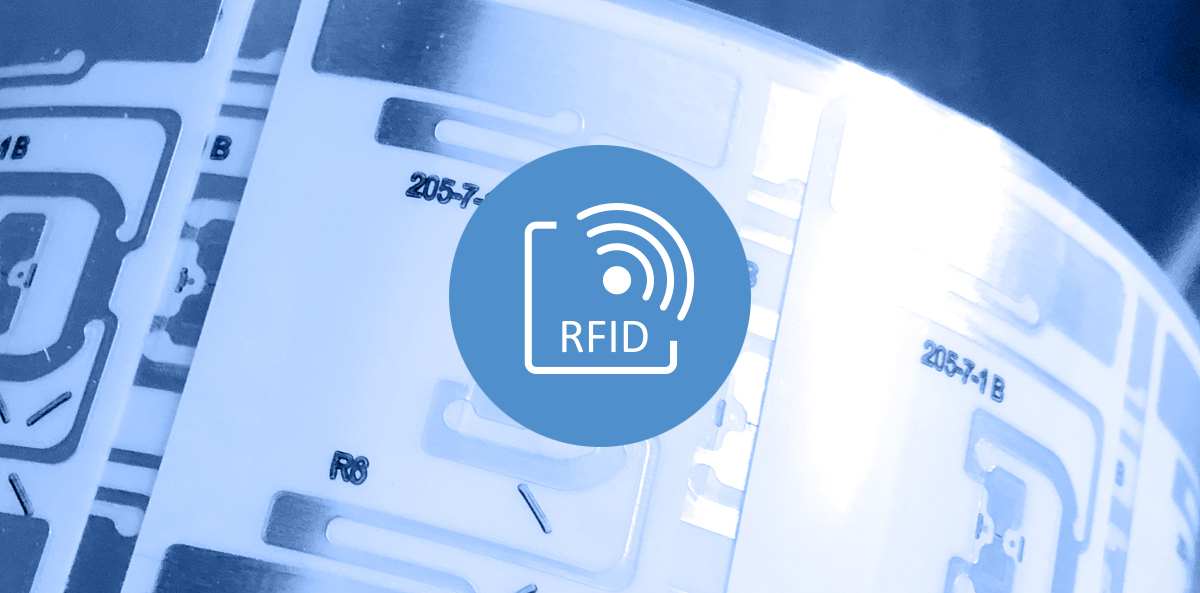
RFID Çalışma Prensibi ve Uygulamaları
Radyo Frekanslı Tanımlama (RFID), nesneleri, hayvanları veya insanları otomatik olarak tanımlamak, izlemek ve yönetmek için radyo dalgalarını kullanan kablosuz bir teknolojidir. Son yirmi yılda RFID, niş bir teknolojiden sektörler genelinde dijital dönüşümün kritik bir bileşenine dönüştü. Perakende envanter yönetiminden lojistik takibine, sağlık hizmetlerinden tarıma ve akıllı şehirlere kadar RFID, kuruluşların görünürlüğü, verimliliği ve doğruluğu artırmasına, iş gücü maliyetlerini ve insan hatalarını azaltmasına olanak tanır.
RFID, Radyo Frekansı Tanımlama anlamına gelir. Bu teknoloji, bir etikette depolanan verilerin doğrudan temas veya net görüş hattı gerektirmeden kablosuz olarak bir okuyucuya iletilmesini sağlar. Geleneksel barkodların aksine, RFID etiketleri uzaktan okunabilir ve birden fazla etiket aynı anda taranabilir.
Tipik bir RFID sistemi üç ana bileşenden oluşur:
RFID Etiketi
RFID Okuyucu
Arka Uç Yazılımı veya Veritabanı
RFID etiketi bir mikroçip ve bir anten içerir. Mikroçip, benzersiz bir kimlik numarası gibi bilgileri depolarken, anten okuyucuyla iletişimi sağlar. RFID okuyucu, etiketleri etkinleştiren ve ilettikleri verileri alan radyo frekansı sinyalleri yayar. Toplanan bilgiler daha sonra izleme ve analiz için yazılım sistemleri tarafından işlenir ve depolanır.
RFID'nin çalışma prensibi elektromanyetik alanlara ve radyo frekansı iletişimine dayanmaktadır.
RFID okuyucu anteni aracılığıyla radyo dalgaları gönderdiğinde, bu dalgalar elektromanyetik alan oluşturur. Bir RFID etiketi bu alana girdiğinde, etiket depoladığı bilgileri okuyucuya geri göndererek yanıt verir.
Süreç genellikle şu adımları izler:
RFID okuyucu, anteni aracılığıyla sürekli olarak radyo frekansı sinyalleri yayar. Bu sinyaller, RFID etiketlerinin algılanabileceği bir okuma bölgesi oluşturur.
Pasif RFID etiketlerinde, okuyucu tarafından yayılan enerji etiketin mikroçipine güç sağlar. Pasif etiketlerin kendi pilleri olmadığı için, çalışmaları tamamen okuyucunun elektromanyetik alanına bağlıdır.
Aktif RFID etiketleri ise dahili bir pil içerir ve sinyalleri daha uzun mesafeler üzerinden bağımsız olarak iletebilir.
Etkinleştirildikten sonra, RFID etiketi depoladığı verileri okuyucuya geri gönderir. Bu veriler şunları içerebilir:
Ürün tanımlama numaraları
Varlık bilgileri
Konum verileri
Üretim detayları
Kimlik doğrulama bilgileri
RFID okuyucu, etiket verilerini alır ve arka uç yazılımlara veya kurumsal sistemlere iletir. Elde edilen bilgiler daha sonra envanter yönetimi, takip, kimlik doğrulama, analiz ve karar verme süreçlerinde kullanılabilir.
RFID etiketleri genel olarak üç kategoriye ayrılır:
Pasif etiketlerin dahili bir güç kaynağı yoktur. Enerjilerini okuyucunun sinyalinden alırlar ve düşük maliyetleri ile uzun ömürleri nedeniyle yaygın olarak kullanılırlar.
Avantajları şunlardır:
Düşük maliyet
Küçük boyut
Uzun çalışma ömrü
Minimum bakım
Yaygın kullanım alanları arasında perakende envanter yönetimi, kütüphane yönetimi ve varlık takibi yer almaktadır.
Aktif etiketler, hem çipi hem de sinyal iletimini besleyen bir pil içerir.
Avantajları şunlardır:
Uzun okuma menzili
Gerçek zamanlı takip özelliği
Daha yüksek veri depolama kapasitesi
Yaygın uygulama alanları arasında araç takibi, konteyner izleme ve büyük ölçekli endüstriyel operasyonlar yer almaktadır.
Yarı pasif etiketler, çipi çalıştırmak için pil kullanır ancak iletişim için okuyucuya bağımlıdır.
Bu etiketler, pasif ve aktif RFID teknolojileri arasında bir denge sunar ve genellikle çevre izleme ve soğuk zincir lojistiğinde kullanılır.
RFID sistemleri, uygulama gereksinimlerine bağlı olarak farklı frekanslarda çalışır.
Frekans aralığı: yaklaşık 125–134 kHz
Özellikler:
Kısa okuma mesafesi
Sıvılar ve metaller yakınında güçlü performans
Yüksek güvenilirlik
Uygulamalar:
Hayvan tanımlaması
Erişim kontrolü
Araç immobilizerleri
Frekans aralığı: 13,56 MHz
Özellikler:
Orta okuma mesafesi
İyi veri aktarım hızları
Yakın Alan İletişimini (NFC) destekler.
Uygulamalar:
Akıllı kartlar
Elektronik biletleme
Kütüphane yönetimi
Mobil ödemeler
Frekans aralığı: 860–960 MHz
Özellikler:
Uzun okuma mesafesi
Hızlı okuma hızı
Eş zamanlı çoklu etiket okuma
Uygulamalar:
Depo yönetimi
Perakende envanteri
Tedarik zinciri takibi
Varlık yönetimi
RFID, geleneksel tanımlama teknolojilerine göre birçok avantaj sunmaktadır.
RFID, hızlı ve otomatik veri toplama olanağı sağlar. Yüzlerce etiket, manuel taramaya gerek kalmadan aynı anda okunabilir, bu da iş gücü gereksinimlerini önemli ölçüde azaltır.
Manuel veri girişi ve barkod taramasıyla ilişkili insan hataları en aza indirilir. Bu da daha güvenilir envanter kayıtları ve operasyonel veriler sağlar.
Kuruluşlar, varlıkların, ürünlerin ve ekipmanların konumunu ve durumunu gerçek zamanlı olarak izleyerek operasyonel şeffaflığı artırabilirler.
RFID etiketleri şifrelenmiş bilgileri ve benzersiz tanımlayıcıları saklayabildiğinden, sahteciliği ve yetkisiz erişimi zorlaştırır.
RFID sistemleri, barkod sistemlerine kıyasla ilk yatırım maliyeti daha yüksek olsa da, verimliliğin artması ve kayıpların azalması sayesinde uzun vadede genellikle maliyet tasarrufu sağlar.
Perakendeciler, doğru envanter görünürlüğü sağlamak ve stok yönetimini iyileştirmek için RFID teknolojisini kullanmaktadır. RFID, otomatik stok sayımı, raf takibi ve hırsızlık önleme olanağı sağlar.
Büyük perakendeciler, envanter doğruluğunu artırmak ve daha iyi ürün bulunabilirliği sağlayarak müşteri memnuniyetini yükseltmek için RFID teknolojisini kullanmaya başladı.
RFID teknolojisi, şirketlerin malları üretim tesislerinden dağıtım merkezlerine ve nihai varış noktalarına kadar takip etmelerini sağlar.
Faydaları şunlardır:
Daha hızlı teslim alma ve gönderme
Sevkiyat doğruluğunda iyileşme
Envanter tutarsızlıklarının azaltılması
Geliştirilmiş tedarik zinciri şeffaflığı
Hastaneler, tıbbi ekipmanları, ilaçları ve hasta bilgilerini takip etmek için RFID teknolojisini kullanıyor.
Uygulamalar şunları içerir:
Hasta kimliği
Tıbbi varlık takibi
İlaç yönetimi
Cerrahi alet takibi
Bu uygulamalar, operasyonel verimsizlikleri azaltırken hasta güvenliğini de artırır.
RFID kulak küpeleri ve enjekte edilebilir transponderler, hayvancılık yönetiminde yaygın olarak kullanılmaktadır.
Çiftçiler şunları takip edebilir:
Hayvan kimliği
Aşı kayıtları
Sağlık durumu
Üreme geçmişi
Hareket kayıtları
Bu durum hastalık kontrolünü, izlenebilirliği ve çiftlik verimliliğini artırır.
Kütüphaneler, kitap ödünç alma, iade etme ve envanter kontrollerini otomatikleştirmek için RFID teknolojisini kullanıyor.
Faydaları şunlardır:
Kendi kendine ödünç alma
Daha hızlı envanter denetimleri
Personel ihtiyacının azaltılması
Geliştirilmiş kullanıcı deneyimi
Üreticiler, üretim süreçlerini izlemek ve izlenebilirliği artırmak için RFID teknolojisini kullanmaktadır.
RFID aşağıdaki konularda izleme sağlar:
İşlenmemiş içerikler
Devam eden çalışmalar
Bitmiş ürünler
Üretim ekipmanları
Bu, daha iyi kalite kontrolü ve süreç optimizasyonu sağlar.
Kuruluşlar, bilgisayarlar, aletler, makineler ve araçlar gibi değerli varlıkları yönetmek için RFID teknolojisini kullanır.
Varlıkların gerçek zamanlı olarak görünürlüğü, kayıpları, hırsızlığı ve gereksiz satın alımları azaltırken varlık kullanımını iyileştirmeye yardımcı olur.
RFID, modern ulaşım sistemlerinde önemli bir rol oynamaktadır.
Uygulamalar şunları içerir:
Elektronik gişe tahsilatı
Toplu taşıma bileti
Otopark yönetimi
Araç tanımlaması
Bu çözümler trafik akışını ve operasyonel verimliliği artırır.
Nesnelerin İnterneti (IoT), yapay zeka ve bulut bilişim gelişmeye devam ettikçe, RFID teknolojisi de giderek daha akıllı ve birbirine bağlı hale geliyor.
Gelecek trendler şunları içeriyor:
IoT platformlarıyla entegrasyon
Gerçek zamanlı analiz ve öngörücü bakım
Akıllı depolar ve otonom lojistik
Dijital ürün pasaportları
Geliştirilmiş sürdürülebilirlik ve döngüsel ekonomi girişimleri
RFID teknolojisinin sensörler, bulut sistemleri ve veri analitiği ile birleşimi, sektörler genelinde daha da fazla görünürlük ve otomasyon sağlayacaktır.
RFID teknolojisi, kuruluşların varlıkları, ürünleri ve insanları tanımlama, izleme ve yönetme biçimini dönüştürdü. Radyo frekansı iletişimi kullanarak, RFID, doğrudan temas veya görüş hattı gereksinimleri olmadan hızlı, doğru ve otomatik veri toplama olanağı sağlar. Verimlilik, görünürlük ve güvenlikteki avantajları, onu perakende, lojistik, sağlık, imalat, tarım ve diğer birçok sektörde değerli bir araç haline getirmiştir.
Dünya çapında dijital dönüşüm hızlanırken, RFID daha akıllı, daha bağlantılı ve daha verimli iş operasyonları oluşturmada hayati bir rol oynamaya devam edecektir. Bugün RFID teknolojisini benimseyen kuruluşlar, otomasyon, gerçek zamanlı veri ve akıllı karar verme ile yönlendirilen bir geleceğe kendilerini hazırlıyorlar.

Detaylı bilgi ve PDF

Destek e-posta adresi.

Profesyonel teknik rehberlik.

Destek e-posta adresi.



BAĞLANTI

YouTube

mesaj bırakın
WeChat/WhatsApp'a tarayın :



 IPv6 AĞ DESTEKLİ