
mesaj bırakın
Ürünlerimizle ilgileniyorsanız ve daha fazla bilgi edinmek istiyorsanız, lütfen buraya bir mesaj bırakın, en kısa sürede size cevap vereceğiz.




Bu kış yaptığım en iyi alışveriş! Rengi ve örgüsü muhteşem, çok rahat! New York'tan Miami'ye kadar hiç çıkarmadan gittim. Çok şirin!!
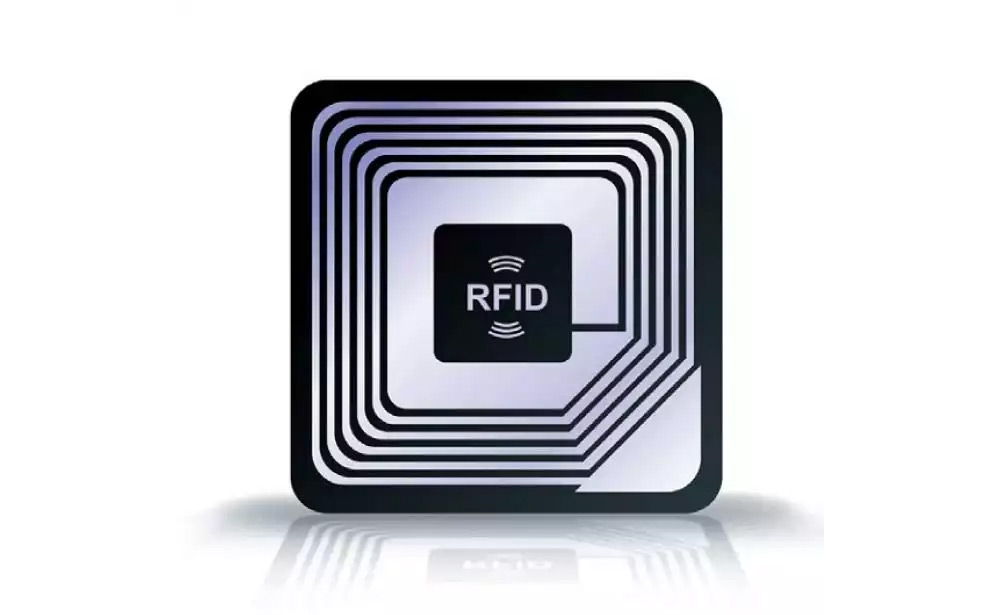
Modern tedarik zincirleri giderek daha karmaşık hale geliyor. Ürünler, nihai müşteriye ulaşmadan önce genellikle birden fazla fabrika, depo, dağıtım merkezi, ulaşım merkezi ve perakende satış noktasından geçiyor. Manuel veri girişi ve barkod tarama gibi geleneksel takip yöntemleri, gerçek zamanlı görünürlük ve doğru envanter yönetimine ihtiyaç duyan işletmeler için artık yeterli değil. İşte bu noktada RFID teknolojisi güçlü bir araç haline geliyor.
RFID veya Radyo Frekanslı Tanımlama, işletmelerin ürünleri doğrudan görüş hattı taramasına gerek kalmadan otomatik olarak tanımlamasını ve izlemesini sağlar. RFID'yi tedarik zincirinin her aşamasına entegre ederek, şirketler operasyonel performansı artırırken maliyetleri düşüren şeffaf, akıllı ve son derece verimli bir izleme sistemi oluşturabilirler.
Bu makale, takip için RFID özellikli bir tedarik zincirinin nasıl oluşturulacağını ve işletmelerin başarılı bir uygulama sağlamak için izlemesi gereken temel adımları incelemektedir.
RFID tedarik zinciri oluşturmadan önce, teknolojinin nasıl çalıştığını anlamak önemlidir. Bir RFID sistemi tipik olarak üç bileşenden oluşur: RFID etiketleri, RFID okuyucuları ve yönetim yazılımı.
RFID etiketleri ürünlere, kartonlara, paletlere, iade edilebilir taşıma ürünlerine veya konteynerlere takılır. Her etiket, ürünü veya varlığı temsil eden benzersiz bir kimlik numarası içerir.
RFID okuyucuları, etiketlerle iletişim kurmak ve bilgilerini otomatik olarak yakalamak için radyo dalgalarını kullanır. Okuyucular, depo kapıları veya konveyör hatları gibi belirli kontrol noktalarına sabitlenebilir veya operatörler tarafından kullanılan el tipi cihazlar olabilir.
Toplanan veriler, depo yönetim sistemleri (WMS), kurumsal kaynak planlama sistemleri (ERP), ulaşım yönetim sistemleri (TMS) veya bulut tabanlı analiz platformları gibi yazılım platformlarına iletilir.
Bu bileşenler birlikte, tedarik zinciri boyunca ürün hareketine ilişkin sürekli görünürlük sağlar.
RFID destekli bir tedarik zinciri oluşturmanın ilk adımı, iş hedeflerini ve izleme gereksinimlerini belirlemektir.
Farklı sektörlerin farklı öncelikleri vardır. Üreticiler, devam eden iş takibi ve üretim görünürlüğüne odaklanabilir. Perakendeciler, envanter doğruluğu ve stok yenileme verimliliğine öncelik verebilir. Lojistik şirketleri genellikle gerçek zamanlı sevkiyat takibi ve teslimat kanıtına ihtiyaç duyar.
Ortak hedefler şunlardır:
Envanter doğruluğunu iyileştirme
Manuel tarama işlemlerini azaltmak
Depo verimliliğini artırmak
Sevkiyat hatalarını önlemek
Ürün izlenebilirliğinin iyileştirilmesi
Stok kayıplarını ve hırsızlığı azaltmak
Mevzuat uyumluluğunu desteklemek
Müşteri hizmetleri seviyelerinin iyileştirilmesi
Bu hedeflerin net bir şekilde tanımlanması, uygun RFID mimarisi ve dağıtım stratejisinin belirlenmesine yardımcı olur.
Tüm RFID teknolojileri her tedarik zinciri ortamı için uygun değildir.
Düşük Frekanslı (LF) RFID, genellikle hayvan tanımlama ve erişim kontrolü için kullanılır ancak sınırlı okuma mesafesi sunar.
Yüksek Frekanslı (HF) RFID, kütüphanelerde, ödeme kartlarında ve kimlik doğrulama uygulamalarında yaygın olarak kullanılmaktadır.
Ultra Yüksek Frekanslı (UHF) RFID, uzun okuma mesafelerini, hızlı çoklu etiket okumayı ve geniş ölçekli uygulamaları desteklediği için tedarik zinciri takibi için tercih edilen bir yöntemdir.
Tedarik zinciri uygulamalarının çoğu için, pasif UHF RFID etiketleri EPC Gen2 standardına dayalı olarak maliyet ve performans arasında en iyi dengeyi sunar.
İşletmeler etiket seçerken metal yüzeyler, sıvı ürünler, aşırı sıcaklıklar ve dış mekan maruziyeti gibi çevresel faktörleri de göz önünde bulundurmalıdır.
RFID teknolojisinin uygulanmasında kritik bir karar, tam olarak neyin izleneceğinin belirlenmesidir.
Bazı işletmeler, ürün bazında görünürlük sağlamak için her bir ürüne RFID etiketi uygular. Bu yaklaşım, giyim perakendeciliği, ilaç ve lüks eşya sektörlerinde yaygındır.
Diğer kuruluşlar, uygulama maliyetlerini düşürmek için kartonları, paletleri, yeniden kullanılabilir konteynerleri veya nakliye varlıklarını takip eder.
Tipik izleme seviyeleri şunlardır:
Ürün düzeyinde takip
Kutu düzeyinde takip
Palet seviyesinde takip
Konteyner düzeyinde izleme
Araç seviyesinde takip
Birçok şirket palet takibiyle başlar ve maliyetler düştükçe ve operasyonel gereksinimler geliştikçe kademeli olarak karton veya ürün düzeyinde etiketlemeye geçer.
Başarılı bir RFID tedarik zinciri, tutarlı tanımlama kurallarına dayanır.
Her RFID etiketinde, ürünlerin yaşam döngüsü boyunca izlenmesini sağlayan benzersiz bir tanımlayıcı bulunmalıdır.
İşletmeler genellikle şu tür veri yapılarını tanımlar:
Ürün SKU bilgileri
Üretim parti numaraları
Üretim tarihleri
Seri numaraları
Tedarikçi tanımlayıcıları
Hedef konumlar
Son kullanma tarihleri
Standartlaştırılmış tanımlama, tedarikçiler, lojistik sağlayıcıları, depolar ve perakendeciler arasında uyumluluğu sağlar.
Küresel olarak kabul görmüş kodlama standartlarının kullanımı, tedarik zinciri ortakları arasında işbirliğini de kolaylaştırır.
RFID tedarik zinciri tasarımındaki en önemli prensiplerden biri, ürünleri mümkün olan en erken aşamada etiketlemektir.
İdeal olarak, RFID etiketleri üretim veya paketleme işlemleri sırasında kodlanmalı ve takılmalıdır. Bu işleme genellikle kaynak etiketleme denir.
Kaynak etiketleme çeşitli avantajlar sağlar:
Yinelenen etiketleme işlemlerini ortadan kaldırır.
Veri tutarlılığını sağlar.
Aşağı yöndeki görünürlüğü artırır.
İşçilik maliyetlerini düşürür.
Tüm yaşam döngüsü izlenebilirliğini destekler.
Ürünler tedarik zinciri boyunca ilerlerken, orijinal RFID kimliği ürüne bağlı kalır ve gerektiğinde ek bilgilerle güncellenebilir.
Ürünler etiketlendikten sonra, kuruluşların bir RFID veri toplama ağı kurması gerekir.
Sabit RFID okuyucuları Genellikle şu yerlere kurulurlar:
Üretim hattı çıkışları
Paketleme istasyonları
Depo kabul rıhtımları
Depo sevkiyat kapıları
Konveyör sistemleri
Çapraz yükleme tesisleri
Dağıtım merkezleri
Perakende depoları
Mağaza çıkışları
Bu kontrol noktaları, insan müdahalesine gerek kalmadan hareket olaylarını otomatik olarak kaydeder.
El tipi RFID okuyucular, periyodik sayım, istisna yönetimi ve envanter doğrulaması için sabit altyapıyı tamamlayabilir.
Okuyucuların stratejik olarak yerleştirilmesi çok önemlidir çünkü aşırı okuyucu örtüşmesi parazite ve hatalı okumalara yol açabilir.
RFID verileri, ancak işletme sistemleriyle entegre edildiğinde değer kazanır.
RFID ara katman yazılım platformu, donanım cihazları ve kurumsal uygulamalar arasında köprü görevi görür. Bu ara katman yazılım, yinelenen okumaları filtreler, bilgileri doğrular ve ham etiket olaylarını anlamlı iş işlemlerine dönüştürür.
Örneğin:
Bir paletin depodaki sevkiyat kapısından geçmesi, depo yönetim sisteminde otomatik olarak sevkiyat onayını tetikleyebilir.
Dağıtım merkezine ulaşan bir koli, envanter kayıtlarını gerçek zamanlı olarak güncelleyebilir.
Mal kabul eden bir perakende mağazası, stok yenileme planlaması için stok durumunu otomatik olarak kaydedebilir.
Entegrasyon, tedarik zincirinde gerçek görünürlük sağlar ve manuel güncellemelere olan bağımlılığı azaltır.
RFID'nin en büyük avantajlarından biri, ürün hareketini gerçek zamanlı olarak izleyebilme yeteneğidir.
Geleneksel barkod sistemleri yalnızca çalışanlar ürünleri aktif olarak taradığında bilgi sağlar. RFID ise etiketli ürünler okuyucu bölgelerinden geçtiği her an hareket verilerini sürekli olarak yakalar.
Tedarik zinciri yöneticileri şunları anında belirleyebilir:
Mevcut stok seviyeleri
Ürün konumları
Gönderi durumu
Teslimat ilerlemesi
Üretim darboğazları
Geciken gönderiler
Kayıp varlıklar
Gerçek zamanlı görünürlük, kuruluşların aksaklıklara daha hızlı yanıt vermesini ve müşteri memnuniyetini artırmasını sağlar.
RFID teknolojisi, çok büyük miktarda operasyonel veri üretir. Kuruluşlar, bu verileri eyleme dönüştürülebilir içgörülere çevirmek için analitik araçlar kullanabilirler.
Örnekler şunlardır:
Depo tıkanıklık noktalarının belirlenmesi
Stok devir hızlarının ölçülmesi
Tedarikçi performansının değerlendirilmesi
Ulaşım verimliliğinin izlenmesi
Tekrarlayan gönderim gecikmelerini tespit etme
İşgücü dağılımını iyileştirme
Tahmine dayalı analiz, stok eksikliklerini daha ortaya çıkmadan öngörebilir ve böylece proaktif stok yenileme kararları alınmasını sağlayabilir.
RFID ve analitik teknolojilerin birleşimi, tedarik zinciri yönetimini reaktif problem çözmeden proaktif optimizasyona dönüştürüyor.
Ekosisteme daha fazla katılımcı eklendikçe RFID tedarik zinciri daha da güçlü hale gelir.
Üreticiler, tedarikçiler, üçüncü taraf lojistik sağlayıcıları, distribütörler ve perakendeciler, uçtan uca görünürlüğü sağlamak için RFID verilerini birbirleriyle paylaşmalıdır.
Örneğin, bir üretici sevkiyatların çıkışlarını görüntüleyebilir, lojistik sağlayıcılar taşıma sürecini takip edebilir ve perakendeciler gelen teslimatları varıştan önce izleyebilir.
Veri paylaşımı, tahmin doğruluğunu artırır, güvenlik stoğu gereksinimlerini azaltır ve iletişim gecikmelerini en aza indirir.
Ortak bir RFID ağı oluşturmak, genellikle tek tek tesislerdeki izole kurulumlardan daha büyük değer sağlar.
RFID kullanımının artmasıyla birlikte, kuruluşlar veri güvenliğini de göz önünde bulundurmalıdır.
Yetkisiz kullanıcıların hassas tedarik zinciri bilgilerini görüntülemesini önlemek için erişim kontrolleri uygulanmalıdır.
Şifreleme ve güvenli iletişim protokolleri, RFID verilerini iletim sırasında koruyabilir.
İşletmeler ayrıca, düzenleyici gereklilikleri karşılamak için veri saklama politikaları ve uyumluluk prosedürleri oluşturmalıdır.
Güvenli bir RFID altyapısı, tedarik zinciri ortakları arasında güven oluşturur ve değerli iş bilgilerini korur.
Birçok başarılı RFID projesi, tam ölçekli bir uygulamadan ziyade pilot bir uygulama ile başlar.
Kuruluşlar, tek bir ürün kategorisini, depoyu veya dağıtım merkezini takip ederek işe başlayabilirler. Daha sonra performans göstergeleri ölçülür ve ardından ek operasyonlara genişletilir.
Yaygın kullanılan ölçütler şunlardır:
Envanter doğruluğunun iyileştirilmesi
İş gücü tasarrufu
Sevkiyat hatalarında azalma
Sipariş karşılama hızı
Varlık kullanım oranları
yatırım getirisi
Pilot projeler, işletmelerin süreçlerini ve teknoloji yapılandırmalarını iyileştirmelerine olanak tanırken riski de azaltır.
RFID sisteminin başarılı olduğu kanıtlandıktan sonra, tüm tedarik zincirine yaygınlaştırılması mümkün olabilir.
Tedarik zinciri yönetiminin geleceği büyük ölçüde otomasyona, gerçek zamanlı görünürlüğe ve akıllı karar alma süreçlerine dayanacaktır.
RFID teknolojisi, Nesnelerin İnterneti, yapay zeka, bulut bilişim ve dijital ikizler gibi teknolojilerle giderek daha fazla birleştiriliyor. Bu teknolojiler birlikte, öngörücü bakım, otonom depolar ve tamamen bağlantılı lojistik ekosistemleri sağlıyor.
RFID etiket fiyatları düşmeye ve okuma performansı iyileşmeye devam ettikçe, sektörler genelinde benimsenmenin hızlanması bekleniyor.
Günümüzde RFID teknolojisine yatırım yapan işletmeler, yeni nesil akıllı tedarik zincirlerinin temelini atıyorlar.
RFID ile takip kullanarak bir tedarik zinciri oluşturmak, barkodları radyo frekansı teknolojisiyle değiştirmekten ibaret değildir. Ürünleri, varlıkları, tesisleri, ulaşım ağlarını ve iş sistemlerini birbirine bağlayan entegre bir ekosistem tasarlamayı içerir.
Doğru RFID teknolojisini seçerek, takip hedeflerini belirleyerek, kaynak etiketlemeyi uygulayarak, okuyucuları stratejik olarak konuşlandırarak ve verileri kurumsal yazılımlarla entegre ederek, şirketler benzeri görülmemiş bir tedarik zinciri görünürlüğü ve operasyonel verimlilik elde edebilirler.
Giderek daha rekabetçi hale gelen küresel pazarda, RFID sadece bir takip teknolojisinden çok daha fazlası haline geldi. İşletmelerin modern ticaretin taleplerini karşılayabilecek daha hızlı, daha akıllı ve daha dayanıklı tedarik zincirleri oluşturmalarını sağlayan stratejik bir araçtır.

Detaylı bilgi ve PDF

Destek e-posta adresi.

Profesyonel teknik rehberlik.

Destek e-posta adresi.



BAĞLANTI

YouTube

mesaj bırakın
WeChat/WhatsApp'a tarayın :



 IPv6 AĞ DESTEKLİ