
mesaj bırakın
Ürünlerimizle ilgileniyorsanız ve daha fazla bilgi edinmek istiyorsanız, lütfen buraya bir mesaj bırakın, en kısa sürede size cevap vereceğiz.




Bu kış yaptığım en iyi alışveriş! Rengi ve örgüsü muhteşem, çok rahat! New York'tan Miami'ye kadar hiç çıkarmadan gittim. Çok şirin!!
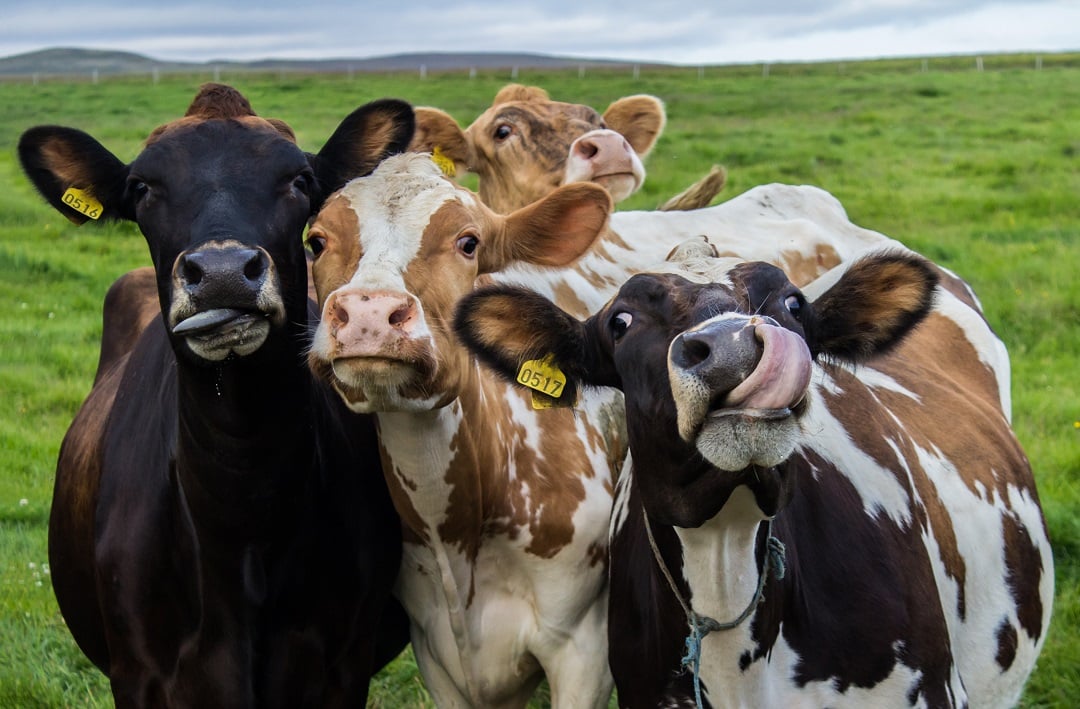
Hayvancılık sektörü giderek dijitalleşip veri odaklı hale geldikçe, çiftçiler, hayvancılar, veterinerler ve yaban hayatı araştırmacıları hayvanları tanımlama, izleme ve yönetme konusunda daha verimli yollar arıyorlar. Görsel kulak küpeleri, damgalama veya el yazısıyla tutulan kayıtlar gibi geleneksel yöntemler genellikle tanımlama hatalarına, veri kaybına ve emek yoğun yönetim süreçlerine yol açmaktadır. RFID (Radyo Frekans Tanımlama) teknolojisi, modern hayvan takibi için güçlü bir çözüm olarak ortaya çıkmış olup, otomatik tanımlama, gerçek zamanlı veri toplama ve hayvanın yaşam döngüsü boyunca gelişmiş izlenebilirlik sağlamaktadır.
RFID hayvan takibi, elektronik etiketler ve RFID okuyucuları kullanılarak hayvanların tanımlanması ve izlenmesi için radyo frekansı teknolojisinin kullanımını ifade eder. Her hayvana, bir RFID etiketinde saklanan benzersiz bir kimlik numarası atanır. Etiket, bir RFID okuyucusunun okuma menziline girdiğinde, bilgiler otomatik olarak yakalanır ve işleme ve analiz için bir yönetim sistemine iletilir.
Barkodlar veya görsel etiketlerin aksine, RFID doğrudan görüş hattı taraması gerektirmez. Birden fazla hayvan, kapılardan, yemleme istasyonlarından veya taşıma tesislerinden geçerken bile aynı anda tanımlanabilir. Bu da RFID'yi özellikle büyük ölçekli hayvancılık işletmeleri ve yaban hayatı izleme projeleri için uygun hale getirir.
Tamamlanmış bir RFID hayvan takip sistemi Genellikle dört ana bileşenden oluşur:
RFID etiketleri, türe ve kullanım amacına bağlı olarak çeşitli şekillerde hayvanlara takılır. Yaygın türleri şunlardır:
Sığır, koyun ve keçiler için kulak küpeleri.
Evcil hayvanlar ve değerli çiftlik hayvanları için enjekte edilebilir cam kapsül etiketler.
Kanatlı hayvanlar için bacak bantları.
Yaban hayatı ve hayvanat bahçesi hayvanları için tasma etiketleri.
Geviş getiren hayvanların midesine yerleştirilen bolus etiketleri.
Her etikette, hayvanın kayıtlarıyla ilişkili benzersiz bir kimlik kodunu saklayan bir mikroçip ve anten bulunur.
RFID okuyucuları, radyo dalgaları aracılığıyla etiketlerle iletişim kurar ve otomatik olarak tanımlama verilerini toplar. Okuyucular, çiftlik çalışanları tarafından kullanılan el tipi cihazlar veya kapılara, ahırlara, sağım istasyonlarına veya yemleme alanlarına monte edilmiş sabit kurulumlar olabilir.
Okuyucular, normal çiftlik faaliyetlerini aksatmadan, yanlarından geçen hayvanları anında tanımlayabilirler.
Antenler, RFID okuyucu ve etiketler arasında radyo sinyallerini iletir ve alır. Farklı anten tasarımları, ortam ve uygulama gereksinimlerine bağlı olarak değişen okuma menzilleri ve kapsama alanları sağlar.
Toplanan veriler, doğum tarihi, cins, aşı geçmişi, beslenme kayıtları, üreme durumu ve sağlık bilgileri gibi bilgilerin saklanıp analiz edilebildiği çiftlik yönetim yazılımına veya bulut tabanlı platformlara aktarılır.
Takip süreci, bir hayvana doğumundan veya edinilmesinden kısa bir süre sonra RFID etiketi takılmasıyla başlar. Etikette saklanan benzersiz tanımlayıcı, hayvanın ömrü boyunca dijital kimliği haline gelir.
Hayvan bir RFID okuma noktasından her geçtiğinde, okuyucu kimlik numarasını yakalar ve aşağıdaki gibi önemli bilgileri kaydeder:
Konum
Hareket zamanı
Beslenme davranışı
Ağırlık ölçümleri
Sağlık tedavileri
Aşı kayıtları
Üreme faaliyetleri
Bu bilgiler otomatik olarak yönetim sistemine yüklenerek her hayvan için eksiksiz bir dijital geçmiş oluşturulur.
Örneğin, bir süt ineği otomatik sağım istasyonuna girdiğinde, RFID okuyucu Sistem, ineği anında tanımlar ve üretim kayıtlarını alır. Ardından, insan müdahalesi olmadan yem tahsisini ayarlayabilir, süt verimini kaydedebilir ve sağlık bilgilerini güncelleyebilir.
RFID, bireysel hayvanlar için kalıcı ve doğru tanımlama sağlar. Çiftçiler, sahipliği hızlı bir şekilde doğrulayabilir ve her hayvan için yaşamı boyunca ayrıntılı kayıtlar tutabilirler.
Bu, manuel kayıt tutma ve görsel tanımlama yöntemleriyle ilişkili hataları önemli ölçüde azaltır.
RFID teknolojisi sayesinde hayvan sağlığı yönetimi çok daha verimli hale geliyor. Aşılar, tıbbi tedaviler, hastalık testleri ve ilaç programları doğrudan hayvanın RFID numarasına bağlanabiliyor.
Bir salgın meydana gelirse, enfekte hayvanlar hızla tespit edilip izole edilebilir, bu da hastalığın sürü genelinde yayılmasını azaltır.
RFID özellikli yemleme istasyonları, hayvanları tek tek tanıyabilir ve yaş, ağırlık, üretim aşaması veya beslenme gereksinimlerine göre özelleştirilmiş yem porsiyonları dağıtabilir.
Bu, yem verimliliğini artırırken israfı ve işletme maliyetlerini azaltır.
Suni dölleme tarihleri, gebelik kontrolleri ve doğum kayıtları gibi üreme olayları her hayvanla otomatik olarak ilişkilendirilebilir.
Çiftçiler, veriye dayalı kararlar alarak yetiştirme performansını daha doğru bir şekilde izleyebilir ve sürü verimliliğini artırabilirler.
RFID okuyucularla donatılmış entegre tartım sistemleri, hayvanlar tartıdan geçtiği her an hayvan ağırlıklarını otomatik olarak kaydeder.
Sürekli ağırlık takibi, üreticilerin yemleme stratejilerini optimize etmelerine ve ideal pazara giriş zamanlamasını belirlemelerine yardımcı olur.
Çiftliklerde, meralarda ve nakliye noktalarında kurulan RFID kapıları, çiftçilerin hayvan hareketlerini gerçek zamanlı olarak takip etmelerini sağlıyor.
Sistem, kayıp hayvanları veya yetkisiz hareketleri anında tespit ederek güvenliği artırır ve kayıpları azaltır.
Süt çiftlikleri, süt üretiminin ve hayvan sağlığının ayrıntılı olarak izlenmesi ihtiyacı nedeniyle RFID teknolojisini en çok kullanan sektörler arasında yer almaktadır.
İnekler sağımhanelere girdiğinde, RFID okuyucular her hayvanı otomatik olarak tanımlar ve süt verimi verilerini bireysel kayıtlara bağlar. Çiftçiler, düşük performans gösteren inekleri hızla belirleyebilir, sağlık eğilimlerini izleyebilir ve yemleme programlarını optimize edebilir.
Otomatik süt sağım sistemleri, verimli çalışabilmek için büyük ölçüde RFID teknolojisine bağımlıdır.
RFID teknolojisi yalnızca ticari tarımla sınırlı değildir. Yaban hayatı araştırmacıları da hayvan davranışlarını ve göç modellerini incelemek için RFID teknolojisini kullanmaktadır.
Küçük RFID etiketleri, kuşlara, balıklara, sürüngenlere ve memelilere takılarak yaşam alanları arasındaki hareketleri izlemek için kullanılabilir. Araştırmacılar, sık insan müdahalesi olmadan popülasyon büyüklükleri, göç yolları ve üreme davranışları hakkında değerli bilgiler toplarlar.
Bu veriler, koruma programlarında ve nesli tehlikede olan türlerin korunması çabalarında önemli bir rol oynamaktadır.
Dünya çapında milyonlarca evcil hayvan, kalıcı kimlik tespiti için vücutlarına yerleştirilmiş RFID mikroçipler taşımaktadır.
Kaybolan bir evcil hayvan bulunduğunda, veterinerler veya hayvan barınakları mikroçipi tarayarak kayıt veritabanlarından sahiplik bilgilerini alabilirler. Bu, kayıp hayvanların sahipleriyle yeniden bir araya gelme şansını büyük ölçüde artırır.
Boyun tasması veya harici etiketlerin aksine, implante edilen mikroçipler kolayca çıkarılamaz veya hasar göremez.
RFID teknolojisinin benimsenmesi birçok avantaj sunmaktadır:
Hayvanların doğru şekilde tanımlanması.
İş gücü ihtiyacında azalma.
Daha hızlı stok yönetimi.
Hastalık kontrolü ve izlenebilirliğinde iyileşme.
Daha iyi yetiştirme ve besleme kararları.
Geliştirilmiş mevzuat uyumluluğu.
Hırsızlık ve hayvan kayıplarında azalma.
Sürekli izleme yoluyla hayvan refahının iyileştirilmesi.
Bu faydalar, hayvancılık işletmelerinin verimliliğini ve karlılığını doğrudan artırır.
RFID uygulamasının avantajlarına rağmen, bazı zorlukları da bulunmaktadır.
Etiketler, okuyucular, antenler ve yazılımlar için ilk yatırım maliyetleri, özellikle küçük çiftlikler için önemli olabilir. Metal yapılar, nem ve etiket yerleşimi gibi çevresel koşullar okuma performansını etkileyebilir.
Ayrıca, başarılı bir kurulum, doğru veri toplama ve yönetimi sağlamak için uygun sistem tasarımı ve çalışan eğitimini gerektirir.
Ancak, RFID donanımının daha uygun fiyatlı hale gelmesi ve teknolojinin gelişmeye devam etmesiyle bu engeller giderek azalmaktadır.
Hayvan takibinin geleceği, RFID'nin IoT sensörleri, GPS konumlandırma, yapay zeka ve bulut analitiği gibi diğer akıllı tarım teknolojileriyle entegrasyonunda yatmaktadır.
Yeni nesil sistemler sadece hayvanları tanımlamakla kalmayacak, aynı zamanda vücut sıcaklığını, aktivite seviyelerini, beslenme davranışlarını ve sağlık göstergelerini gerçek zamanlı olarak sürekli izleyecektir. Tahmine dayalı analizler, çiftçilerin görünür semptomlar ortaya çıkmadan önce hastalıkları tespit etmelerini sağlayarak tedavi maliyetlerini azaltabilir ve hayvan refahını iyileştirebilir.
Gıda güvenliği, izlenebilirlik ve sürdürülebilir tarıma yönelik küresel talep artmaya devam ederken, RFID teknolojisi hayvancılık yönetimi ve hayvan izlemenin geleceğini şekillendirmede giderek daha önemli bir rol oynayacaktır.
RFID, hayvan takibini emek yoğun manuel bir süreçten akıllı, otomatik bir yönetim sistemine dönüştürdü. Doğru tanımlama, gerçek zamanlı izleme ve kapsamlı yaşam döngüsü kayıtları sağlayarak, RFID çiftçilerin operasyonel verimliliği artırmasına, hayvan refahını iyileştirmesine ve artan izlenebilirlik gereksinimlerini karşılamasına yardımcı olur.
İster büyükbaş hayvan yönetimi, süt üretimi, yaban hayatı araştırmaları veya evcil hayvan kimliklendirmesi için kullanılsın, RFID teknolojisi dünya çapında hayvan yönetiminin modernizasyonunda vazgeçilmez bir araç haline geliyor. Teknoloji geliştikçe ve maliyetler düşmeye devam ettikçe, tarım ve koruma sektörlerinde benimsenmesinin daha da hızlanması bekleniyor.

Detaylı bilgi ve PDF

Destek e-posta adresi.

Profesyonel teknik rehberlik.

Destek e-posta adresi.



BAĞLANTI

YouTube

mesaj bırakın
WeChat/WhatsApp'a tarayın :



 IPv6 AĞ DESTEKLİ